
Directed by Steven Spielberg
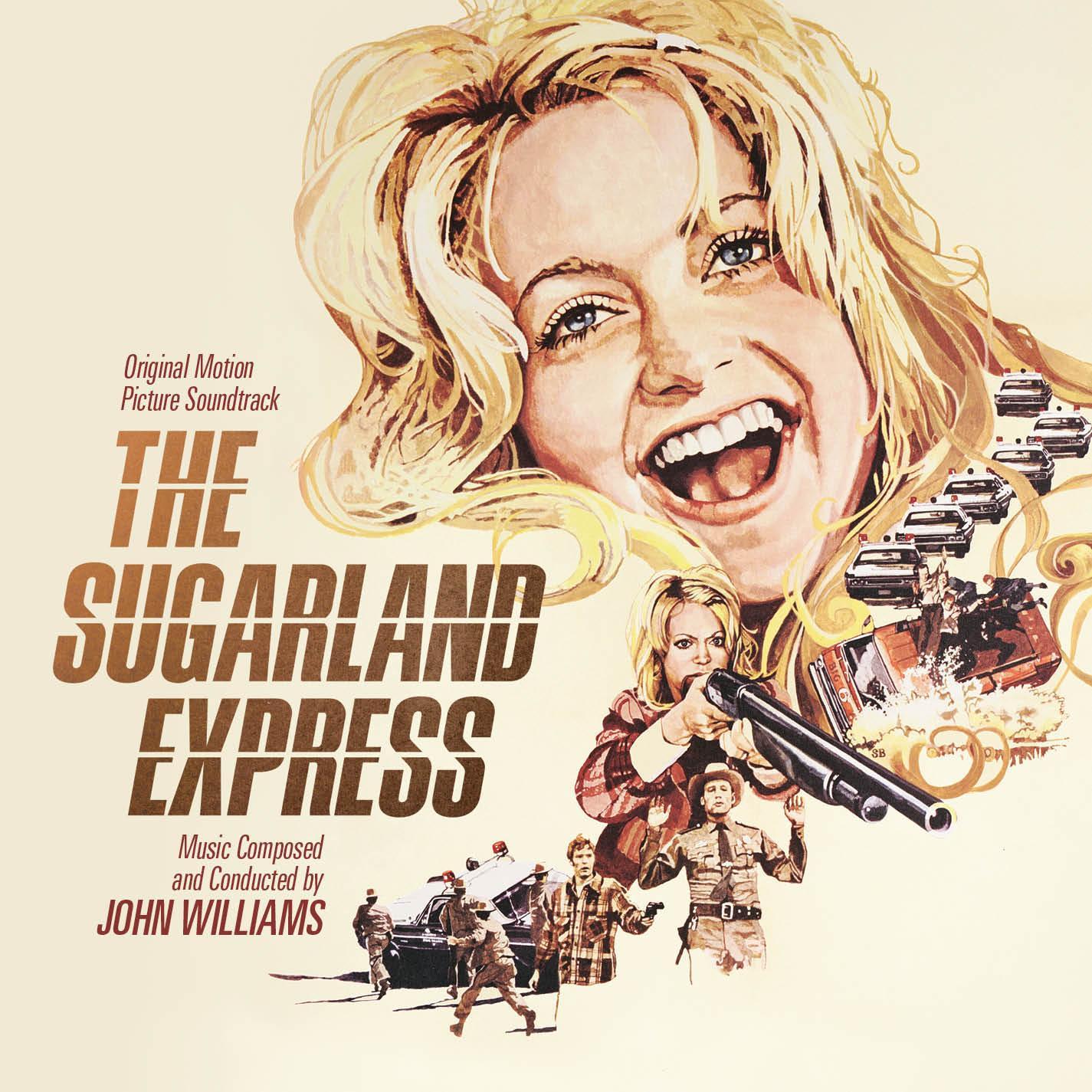
Before he changed the blockbuster forever, Steven Spielberg launched his career with a quiet thriller. Based on a true story, The Sugarland Express (1974) is more than Spielberg’s first feature-length theatrical release, it’s early proof that he would grow to become the finest director in a generation (or more).
THE PLOT
Lou Jean Poplin (Goldie Hawn in one of her rawest and most energetic performances ever) breaks her husband Clovis (William Atherton) out of a pre-release prison facility with one goal: To get their son back before the state grants permanent rights to his uptight foster parents in Sugar Land, Texas. That’s the extent of the plan.
Things almost immediately unravel. Within minutes, they’ve hijacked a cop car and taken Officer Maxwell Slide (Michael Sacks) hostage as their driver. A slow-motion chase begins, with more and more police cars joining the caravan as the Poplins make their way across the Texas highway system. Over the course of the journey, they become folk heroes or villains (depending on who you ask). News of their mission spreads to radio stations statewide, and throngs of people crowd the streets for a chance to see the modern day Bonnie & Clyde. Lou Jean makes friends with locals through the back windshield while Clovis oscillates between rational and manic.
Even in the most heated exchanges, the energy never ratchets above “mild concern.” Everything is very calm and logical, with Ben Johnson‘s Captain Tanner even reasoning with Clovis that he’s “got a job to do, what would the taxpayers say if I let you get away with this?” while Clovis has a gun to Slide’s head.
As time wears on, Slide grows to care for the couple (or at least understand them better) and the three of them form a deranged sort of friendship — though Slide, as the only sensible adult in the car, knows what’s coming.
THE ENDING (SPOILERS)
At times, we see violence and danger and tension, but most of the film feels like a 70s road trip movie, with the gang holing up for the night in an RV lot, watching a silent TV screen through someone else’s window, or pulling over for some drive-through fried chicken. It’s in these moments that we see the childlike affection between Lou Jean and Clovis, and where we grow to love and understand Lou Jean as the desperate mother she is — frantic to reunite with her son despite an utter lack of logistical planning. Her vision doesn’t extend beyond “arrival in Sugar Land.”
In the end, when Clovis is killed by the reluctant police force surrounding his son’s foster home, we feel the ache for their family. But the story couldn’t have ended any other way.
FINAL THOUGHTS
This movie is not perfect, there are long stretches where the pace drags and the story thins out, but by the end you come to appreciate Lou Jean and Clovis’s undertaking and sympathize with Slide as he plays the straight man trapped in a car with two emotionally volatile antiheroes.
This one is worth a watch on a lazy afternoon.
My rating: 3.5/5
Leave a Reply